
的
Summary: Chinese volumetric modular construction (MiC) exports are growing fast. Shenzhen’s modular-building exports reached RMB 16.8 billion in Jan–Apr 2026 (+19.6% YoY). Factory capacity is not the constraint. The constraint is the small pool of people who can deliver, certify and hand over a modular building under a foreign building code.
Key Takeaways
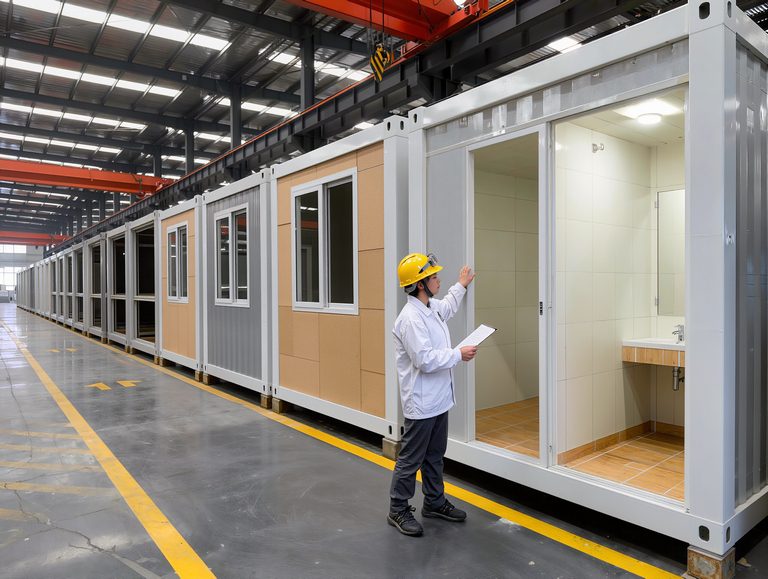
- About 95% of a volumetric modular building is completed in the factory. The remaining 5% on site carries most of the schedule, cost and legal risk.
- The hiring gap sits outside the factory, in four role families: overseas project directors, compliance and certification engineers, design/BIM coordinators, and after-sales/warranty staff.
- Standardized modules reduce specialist workload but do not remove the person who signs off on compliance and carries the liability.
- Winning exporters hire in three layers: local leadership in the destination country, China-trained “bridge” engineers moved overseas, and a small top tier who can do both.
- Compliance roles should be filled first, because they gate the handover.
What Is Volumetric Modular Construction (MiC)?
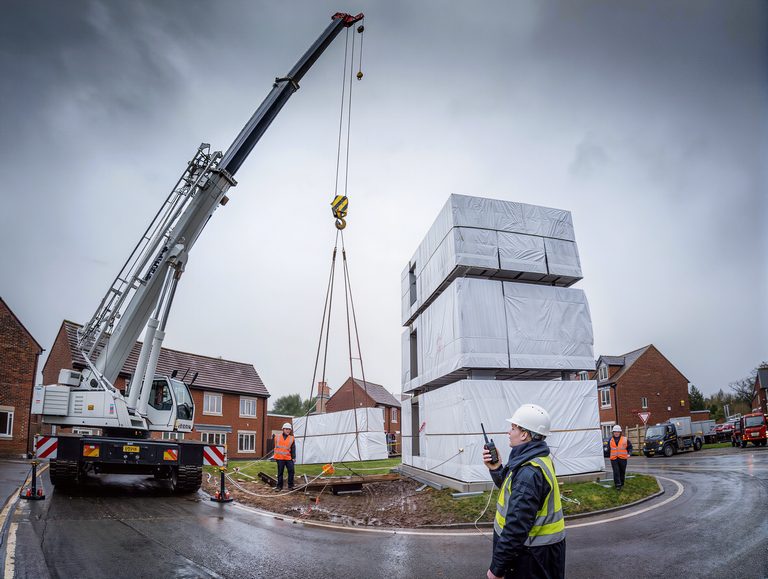
Volumetric modular construction, often shortened to MiC (modular integrated construction), is the practice of building entire three-dimensional rooms in a factory, complete with bedrooms, bathrooms, corridors and wiring, then shipping and stacking them on site.
Example: Early this year, 63 steel modules left Dongguan’s Humen Port in Guangdong, bound for central England. They were finished senior-living apartments. On site in the UK, the whole stack was hoisted into place in roughly two weeks.
The modules arrived on schedule. What is far harder to ship is the team that can hand the building over.
How Fast Are China’s Modular Building Exports Growing?
| Indicator | Figure | Source |
|---|---|---|
| Shenzhen modular-building exports, Jan–Apr 2026 | RMB 16.8 billion, +19.6% YoY, to 150+ countries | Shenzhen Customs |
| Guangdong prefabricated building exports, past decade | Roughly tripled | Guangdong trade data |
| Guangdong prefabricated building exports, Q1 2026 | +45% YoY | Guangdong trade data |
| Expected sector CAGR, 2026 | Above 15% | China Building Materials Circulation Association |
| Prefabricated buildings in Shenzhen (cumulative) | 150+ million m² | — |
| Share of new Shenzhen projects that are prefabricated, 2026 | 64%+ | — |
China got very good at the factory half of the job. The more important question is what happens in the last five percent.
Why Is the Last 5% of a Modular Project the Hardest Part?
Broad Group’s Holon buildings illustrate the model: about 95% of the work is completed in a Chinese factory. The thin slice left for the site is where the money, the schedule and the legal risk sit:
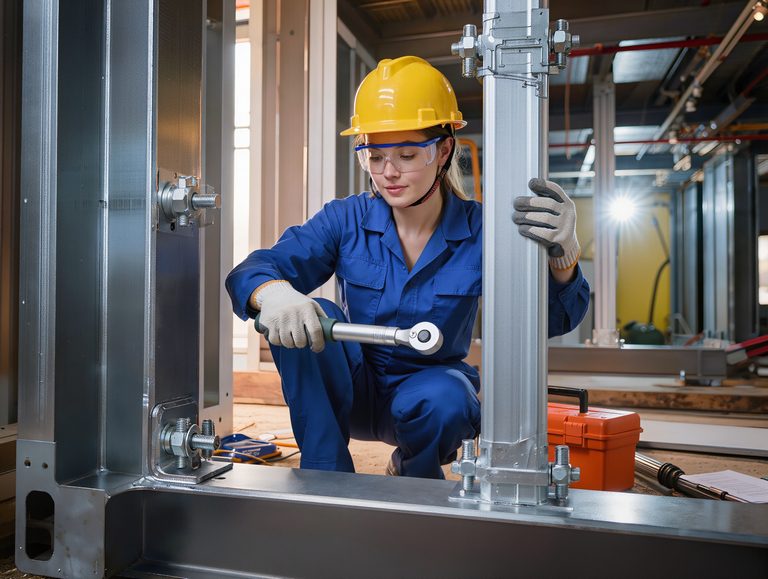
- Hoisting
- Inter-module connections
- Mechanical and electrical hookups
- Fire-stopping
- Building code sign-off
- Handover to a client who will call someone the first time a corridor floods
CIMC Modular Building Systems has delivered more than 200 projects worldwide, including close to 20 in Australia across student accommodation, boutique hotels and mining camps. AluHouse and CIMC are pushing the same approach into the Middle East, Europe and Africa.
These are no longer shipping-container offices. They are permanent buildings that must satisfy a foreign building code, a foreign fire authority and a foreign insurer. Someone has to be on the ground to prove it. That someone is the bottleneck.
Which Modular Construction Roles Are Hardest to Fill?
The hiring gap does not sit in the factory. It sits in the roles that connect a Chinese production line to a foreign jobsite.
1. Overseas Project Director / Construction Manager
- Runs a volumetric project end to end in a foreign jurisdiction
- Holds the delivery schedule and manages a local subcontractor crew
- Answers to a client who does not care that the modules were perfect when they left Dongguan
China has thousands of excellent project managers who have never run a job under a foreign contract form.
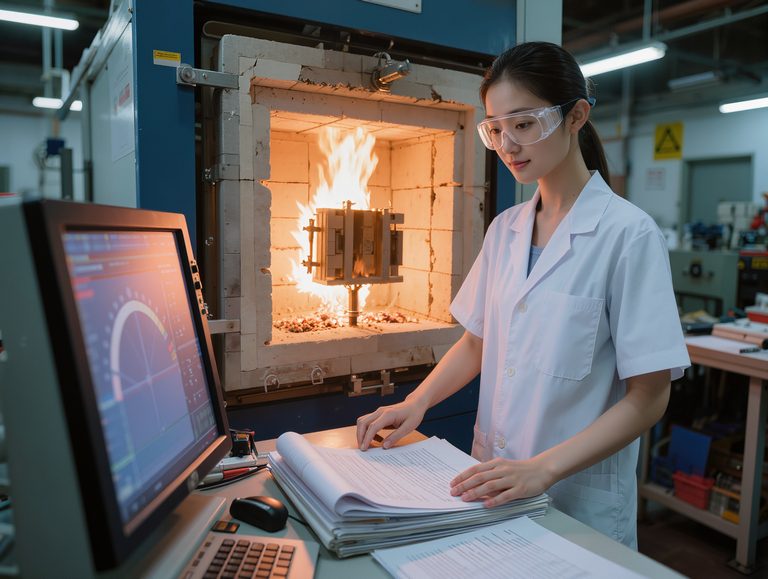
2. Compliance and Certification Engineer
Each destination market has its own requirements:
- UK: correct marking and fire performance
- Gulf states: resistance to extreme heat and sandstorms
- United States: a different structural and seismic regime
China’s engineering talent grew up on domestic codes. People who can read a foreign code, translate it into a factory drawing and defend the result to a local inspector are rare, and close to unpoachable, because every competitor wants the same twenty of them.
3. Design and BIM Coordinator
This role sits between a foreign architect and a Chinese factory. Specs written in London have to become cutting lists in Jiangmen. When that translation fails, the modules are built wrong and the error is discovered 8,000 kilometers away, on a crane.
4. After-Sales and Warranty
A building sold abroad is a thirty-year relationship, not a shipment. Companies that win repeat orders in the Middle East and Africa have people who can answer a maintenance call in the client’s time zone.
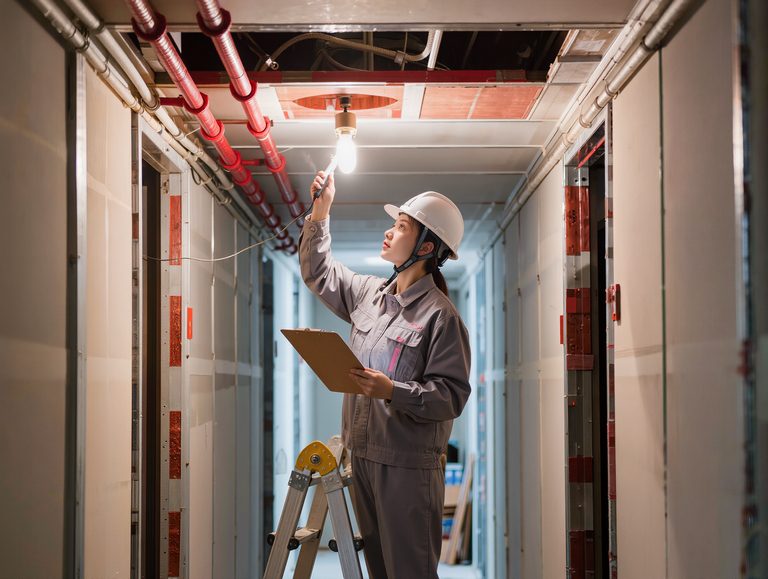
Won’t Standardized Modules Remove the Need for On-Site Specialists?
The argument: If the industry standardizes its modules and pre-certifies its kits, fewer code-fluent specialists are needed on site. Ship the drawings, ship the approvals, ship the building.
Why it doesn’t hold:
- Sites are not standardized. Ground conditions, utilities and local inspectors all differ, and the client’s insurer will ask who signed off on any deviation.
- Standardization reduces specialist volume, not liability. A longer overseas order book raises the cost of getting that person wrong.
- Talent lags capacity. A company can double factory capacity in eighteen months. It cannot grow a bilingual project director with UK code exposure in eighteen months, because that person needs to have already run the projects.
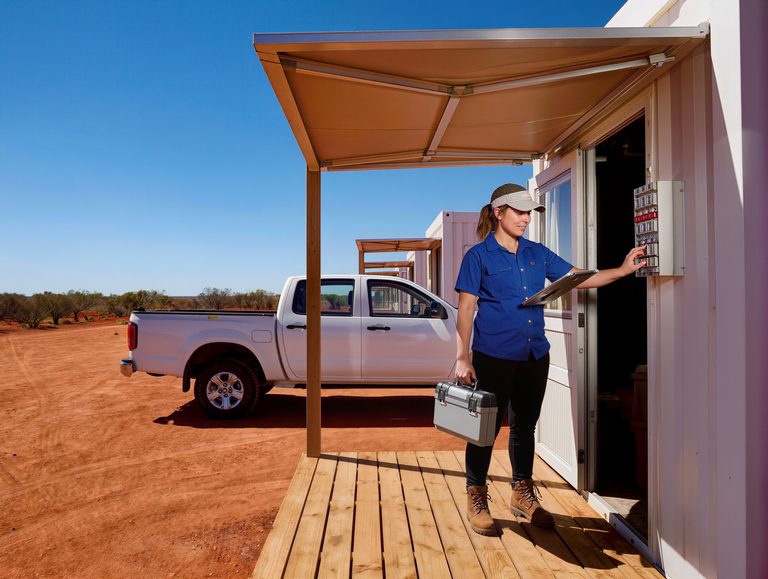
How Should Chinese Modular Exporters Build Their Overseas Team?
The builders winning overseas modular work hire in three layers:
| Layer | Who | Example |
|---|---|---|
| Local base layer | Hired where the projects are | A UK- or Australia-based construction director who knows the building control process; a Gulf-based BD lead who knows the developer landscape |
| Bridge layer | China-trained engineers moved into overseas roles | Engineers who understand the factory, the cost model and the Mandarin-speaking supply chain |
| Top layer | The small group who can do both | The people every modular exporter is quietly bidding for |
SunTzu Recruit works this seam for Chinese manufacturers going global. In modular building, the pattern is familiar: the factory is rarely the constraint, and the overseas delivery bench almost always is. Placing a compliance engineer who can bridge British and Chinese codes is a different search than filling a sales seat. SunTzu Recruit runs these searches from both ends, sourcing the local director and the China-trained bridge, because a modular exporter usually needs a pair, not a person.
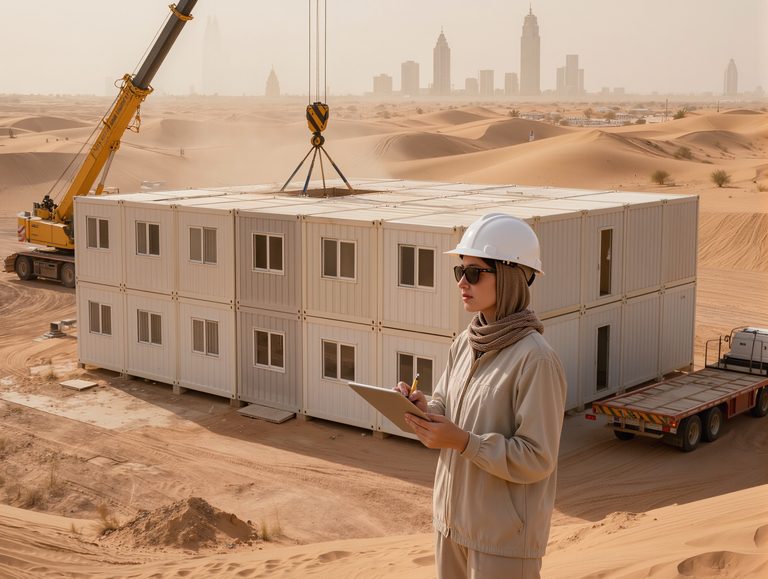
A Practical Test for Hiring Teams
Ask two questions about your next overseas project:
- Is there a named person who can sign the code-compliance documents in the destination country?
- Has that person run a volumetric project before?
If the answer to either is no, the order book is running ahead of the bench. SunTzu Recruit sees the same pattern in construction machinery, energy equipment and consumer hardware: China exports the product long before it exports the team.

Outlook: What to Expect in the Next 12 Months
Modular building is one of the few corners of Chinese manufacturing where the export story and the talent story point in the same direction: outward. Exports to more than 150 countries, a 45% first-quarter jump and a market growing above 15% a year all describe demand. They do not describe who will deliver it.
Companies that treat the overseas delivery bench as a cost line will keep discovering that their mistakes are 8,000 kilometers deep. Companies that treat it as part of the product will keep their repeat orders.
SunTzu Recruit’s view: modular building in 2027 will look like construction machinery in 2020, an export machine whose global ambitions quietly outgrew the number of people qualified to run them.

FAQ
Why is modular-building export talent so scarce?
The skills sit at the intersection of a Chinese factory and a foreign building code, and few professionals have trained on both. Most Chinese construction talent knows domestic codes; most overseas project managers have never managed a volumetric modular delivery.
Which modular construction roles are hardest to fill?
Overseas project directors who have run a modular project under a foreign code; compliance and certification engineers with destination-country experience; and design or BIM coordinators who can translate a foreign architect’s specification into factory-ready drawings.
How should a Chinese modular exporter start building its overseas team?
Hire destination-country leadership locally, build a bridge layer of China-trained engineers moved into overseas roles, and fill compliance roles first, because they gate the handover.
What share of a modular building is completed in the factory?
In models such as Broad Group’s Holon buildings, about 95% of the work is done in the factory. The remaining on-site work (hoisting, connections, M&E hookups, fire-stopping, code sign-off and handover) carries most of the project risk.
Comments are closed