
Suntzu Recruit News

Zhihu, China's answer to Quora, saw paid content and IP operations hit 61.7% of revenue in the second quarter of 2026, eclipsing advertising for the first time. The Beijing-based company's Yan Yan Story unit grew author copyright income 620% year over year. For executive search firms such as SunTzu Recruit, the pivot marks a new hunt: content-IP operators, short-drama producers, and AI-data specialists.

China’s air conditioner exports to the EU surged 43.2% in H1 2026 amid record heat waves and structurally low local penetration. Leading Chinese brands are shifting from pure export to full local operations, including R&D centers, manufacturing plants and service networks. The critical bottleneck is now scarce cross-border localization executives who can build and run in-market operations, with demand far outpacing the limited talent pool.

China’s AI job postings surged 12-fold year-on-year in early 2026, with AI roles now accounting for over 26% of all new-economy positions. The industry bottleneck has shifted from foundational model research to AI deployment and production talent. Roles like MLOps engineers and AI solution architects are extremely scarce, requiring a rare mix of model expertise and industry domain knowledge, with average search cycles exceeding six months.
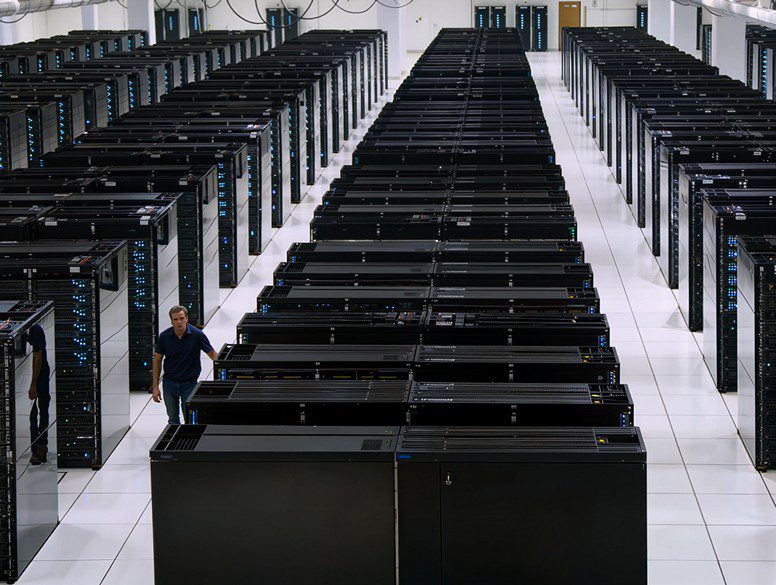
Chinese quant hedge funds more than doubled their assets under management to 2.6 trillion yuan (US$384 billion) in under a year, as AI-driven strategies beat human traders by a wide margin. Yet the industry now faces a constraint harder than capital: finding enough quantitative researchers, risk officers, and portfolio managers in Shanghai and Beijing to keep the machines running. SunTzu Recruitment, a China-based executive search firm, says the supply of bilingual quant talent has not kept pace with the money flowing in.

Between them, the two companies that dominate AI-assisted software development are worth close to 90billion,morethanseveralenterprise−softwaregiantstheyarequietlydisplacing.Cursor,builtbyAnysphere,doubleditsannualizedrevenuetoabout2 billion in three months and is negotiating a round of roughly 2billionatavaluationabove50 billion, co-led by Andreessen Horowitz and Thrive Capital with NVIDIA joining, Bloomberg, TechCrunch, and CNBC reported in April 2026. […]

Chinese AI firms have built capable foundation models, with capital pouring into application‑layer businesses. However, experienced go‑to‑market, solutions architecture and enterprise AI revenue executives are in acute shortage. Senior searches in Shenzhen and Shanghai commonly exceed six months amid cross‑border talent competition.

China's central bank added eight more banks as digital yuan operators in August 2026, lifting the roster to 30, while the Cross-border e-CNY Transfer Services platform signed 26 direct participants in June. Every one of those institutions now needs settlement, treasury and compliance executives who understand central-bank digital rails and multi-jurisdiction banking — a profile that barely exists. A fintech recruiter at SunTzu Recruitment in Shanghai estimates the qualified pool numbers in the hundreds, not the thousands the expansion demands.
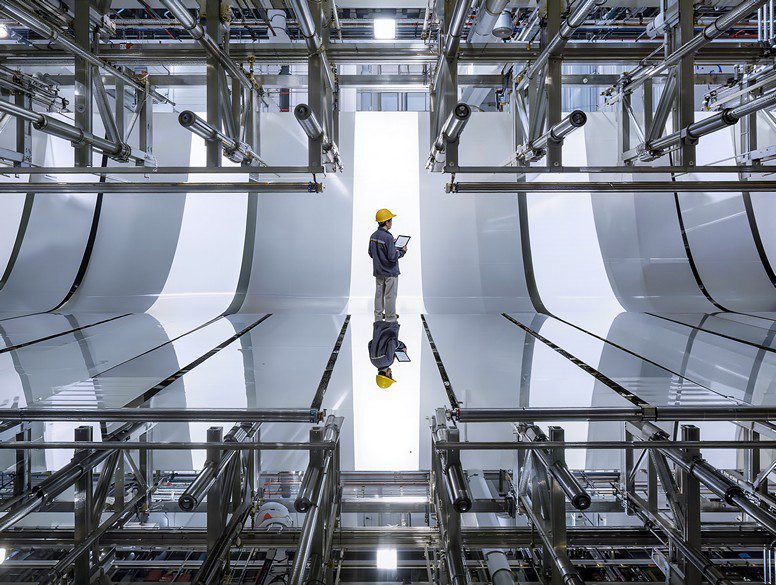
Battery gigafactories are springing up across Morocco, India, the UAE and beyond, with capital and construction permits ready. Yet experienced executives capable of building, financing and operating multi‑gigawatt facilities remain scarce. Poaching from data‑center firms lengthens hiring cycles to more than seven months for key battery‑storage leadership roles.

China's tea chains now run roughly 5,000 stores across more than a dozen countries, yet Mixue Group's overseas network contracted by 428 stores in 2025 — its first-ever annual decline — while Chagee plans 200 new overseas stores in 2026 and is shifting from light-asset franchising to heavy-asset localization. The binding constraint is no longer storefronts or supply chains; it is local country managers and compliance executives. A recruitment specialist at SunTzu Recruit in Shanghai estimates the qualified bilingual retail-operations talent pool across Southeast Asia and Seoul numbers in the low hundreds.

After the U.S. ended the $800 de minimis exemption and layered Section 122 and Section 301 tariffs, China’s cross‑border sector faces a structural talent gap. Only around 470 public compliance openings exist, while qualified bilingual trade‑compliance directors are scarce; searches in Shenzhen and Shanghai commonly run five months or longer.
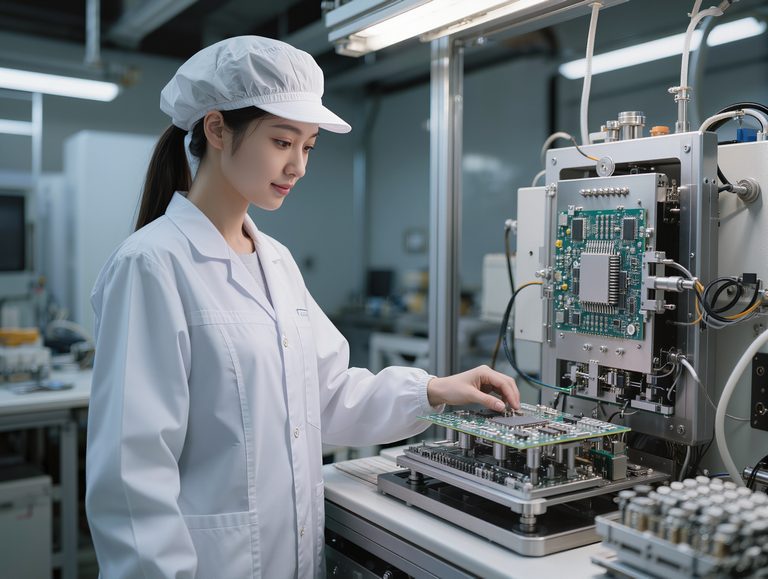
A state-backed Shanghai manufacturer has started mass-producing China's first domestically built immersion DUV lithography machines, with the first five systems bound for SMIC, Hua Hong, and CXMT. The breakthrough closes a critical gap in the semiconductor supply chain. The next bottleneck: the estimated 200,000 process engineers needed to run them.

Chinese biopharma companies signed $75 billion in out-licensing deals in the first five months of 2026 — up from near zero before 2020 — but the executive talent supply chain to manage global partnerships, clinical operations, and cross-border regulatory strategy is stretched to the breaking point.

Chinese AI startups raised over 7billionin2026alone,Alibaba′sAIcloudrevenuenowexceeds50550 billion — yet the cost of hiring a senior AI researcher has quadrupled since 2024. Commercialization was supposed to cool the talent war. It is doing the opposite.

Fintech executive hiring data from the first half of 2026 reveals a structural shift: compliance and risk leadership roles are growing at twice the rate of product and engineering seats. The Chief Risk Officer — once a back-office check-the-box function — is now the second-most contested executive hire after CFO, and the candidate pool barely existed three years ago.
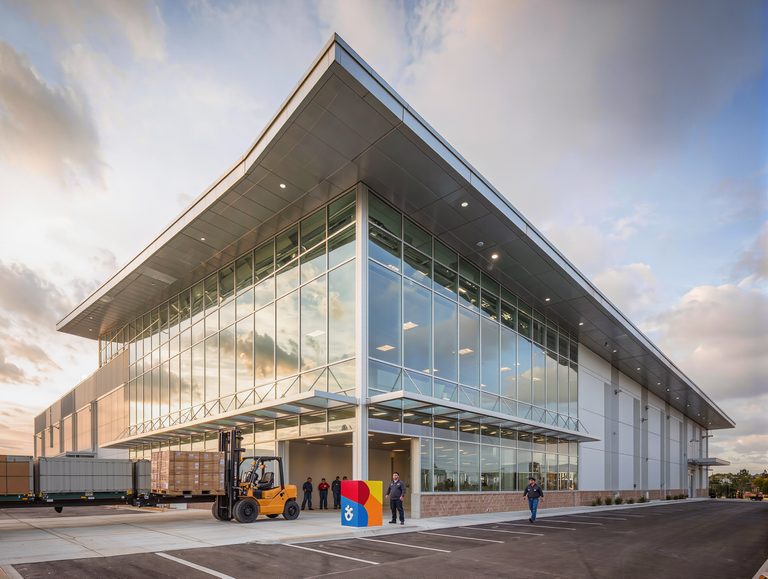
By 2026, 68% of US executives had committed to moving at least a fifth of their supply chains closer to home. Nearshoring shortened supply chains by half. The problem: the logistics directors, binational operations managers, and USMCA compliance specialists needed to run those relocated networks barely exist. Global Trade Magazine described the search for Mexico-based leaders who can operate across borders as "a niche within a niche."

ByteDance merges Feishu and Doubao teams amid sweeping AI restructuring. Traditional SaaS leaders face competition from AI-native executives. SunTzu Recruit analyzes how organizational reshuffling rewrites hiring rules for China’s technology industry.

AI deployment expands rapidly worldwide, yet merely 11% of enterprises reach core AI business goals. Demand for CAIO and AI transformation leaders keeps rising, while experienced candidates combining tech strategy and organizational restructuring remain scarce. Insights from SunTzu Recruit on global tech executive recruitment.
China's cross-border e-commerce overseas warehouse volume surged in H1 2026. Major platforms face severe shortages of experienced overseas warehouse general managers and cross-border logistics executives. SunTzu Recruit shares insights on cross-border supply chain talent recruitment challenges.

China's drug development sector struck $138 billion in out-licensing deals last year — more than the United States for the first time. Yet behind the headline numbers, a growing number of biotech boards admit they cannot find the executives to run the programs. SunTzu Recruit, a China-based executive search firm, estimates the search for a Shanghai-based Chief Medical Officer with global trial experience now takes eight to ten months.

Six months after customs closure, Hainan's free trade port has attracted 139,500 new enterprises and 1,240 foreign-invested companies, according to People's Daily. Sixty-nine central state-owned enterprises have established strategic partnerships, per Hainan TV. But the executives needed to lead these organizations — cross-border trade directors, hospital department heads, supply chain managers — remain scarce. A recruitment specialist at SunTzu Recruit examines the structural talent gap forming beneath the policy-driven boom.

Billions poured into global AI research, but executives capable of commercializing AI technology are extremely scarce. Companies urgently need leaders connecting model R&D with enterprise revenue. Our cross-border tech search firm delivers AI commercial leadership mapping & recruitment solutions.
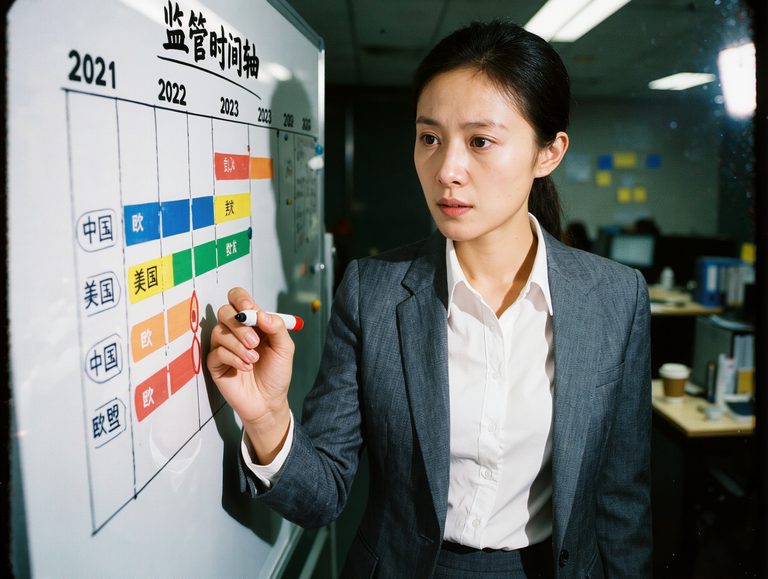
Ant International closed a USD1.2B Series A to expand cross-border payment and agentic commerce. Executives skilled in multi-region payment, crypto compliance and AI transaction supervision are in acute shortage. Our global fintech search firm delivers cross-continental leadership mapping & recruitment solutions.

A leading Chinese AI enterprise abandons KPIs and formal hierarchy yet keeps low talent churn. Senior AI talents increasingly value mission alignment beyond pay. Our China cross-border tech search firm delivers culture-fit senior AI leadership mapping & recruitment solutions.

Eighteen months ago, DeepSeek was a research project funded by a quant hedge fund. Today it is valued at $71 billion, operates the world's most-called AI model, and is trying to double its workforce — in a market where AI engineers with production experience are scarcer than H100 GPUs. For executive search firms like SunTzu Recruitment, the gap between DeepSeek's ambition and the available talent pool defines the next frontier of tech hiring in China.