
The Inversion Nobody Planned For
For two decades, selling a Chinese air conditioner in Europe meant shipping a finished box and handing it to a distributor. A manufacturer’s entire European presence could fit inside a small sales office in a single city. The first half of 2026 broke that model, and it broke it fast. China’s air-conditioner exports to the European Union reached US$3.76 billion in the first half of 2026, up 43.2% from a year earlier, with portable units surging more than 70%, according to Asia Times. The trigger was structural rather than promotional. Europe’s household air-conditioner penetration sits near 20%, against a global average of 37% and roughly 162 units per 100 households in China, per ChinaBizInsider. A continent that long treated air conditioning as an unnecessary luxury is now installing it at scale, and the brands filling that demand are overwhelmingly Chinese — Midea, Gree, TCL, Haier, Hisense and Dreame among them.
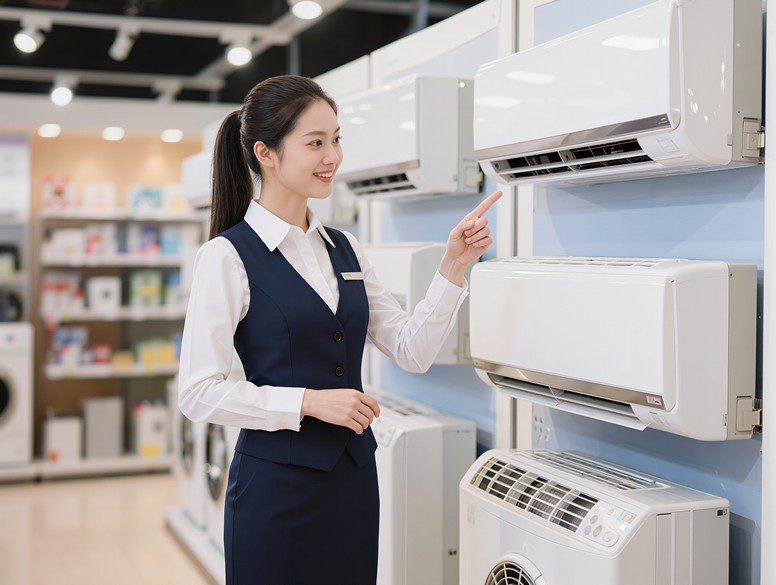
What made the moment unusual was that it was not a brand campaign. Across France, Spain, Germany and Britain, the units selling out online and flying off shelves carried Chinese names, and they won not on marketing but on availability and price, according to Double V Consulting. The heat wave converted first-time buyers into permanent ones, and every permanent buyer has to be serviced, installed and supported. That servicing is where the story turns from commerce into organization.
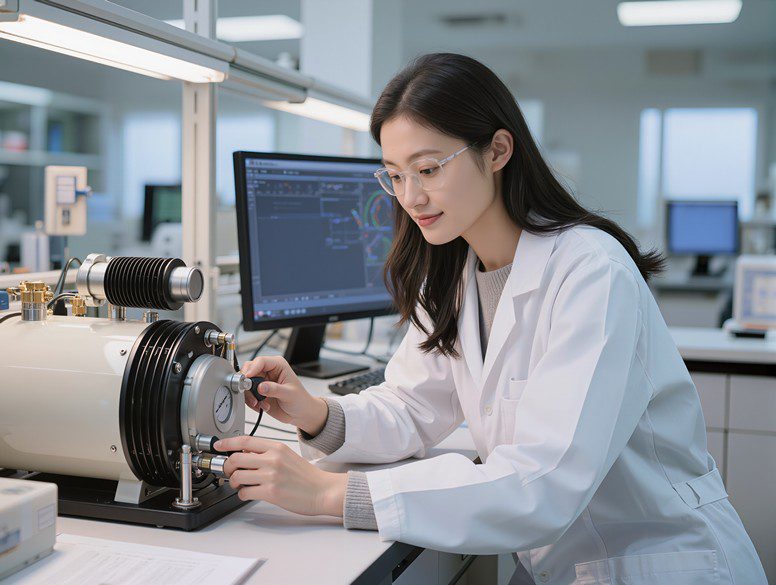
Midea’s PortaSplit, a mobile split unit engineered for Europe’s heritage building stock — no wall drilling, no professional installation — shipped more than 200,000 units to business customers in the first half of 2026, doubling year on year. The company has stood up a residential air-conditioning team inside its Europe Research Center in Stuttgart, Germany, according to China Daily. This is no longer an export story. It is a localization story, and it arrives with a payroll problem attached.

Building Factories, Not Just Shipping Boxes
The pivot from “made in China” to “made in Europe for Europe” is the part the order books do not show. Midea, which calls itself the world’s number-one smart home appliance brand, now holds the top position in both refrigerators and microwaves in Thailand, and has signed a five-season shirt sponsorship with FC Barcelona running from the 2026/27 season. Haier serves more than one billion households across 200-plus countries and regions, ranking number one in China, the United States, Australia and Thailand and among the top three in Europe, according to its IFA 2026 showcase. These are not the footprints of exporters. They are the footprints of multinationals, and a multinational needs local leadership in every market it enters.
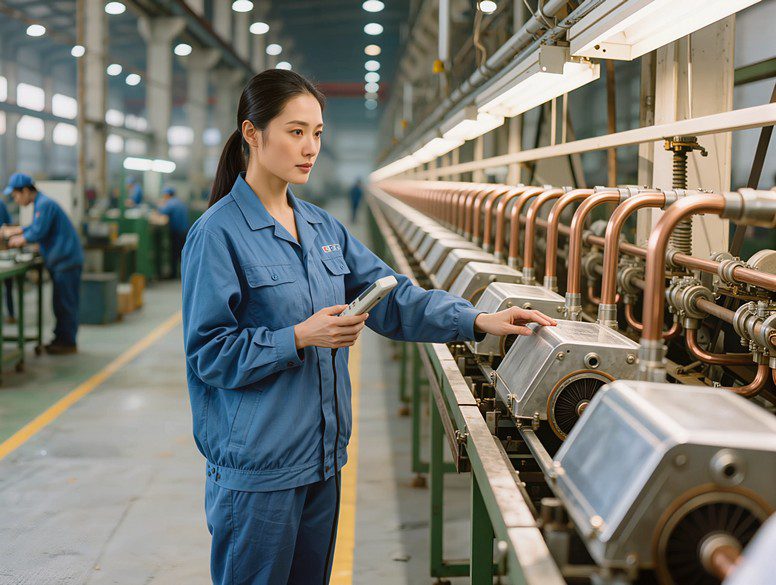
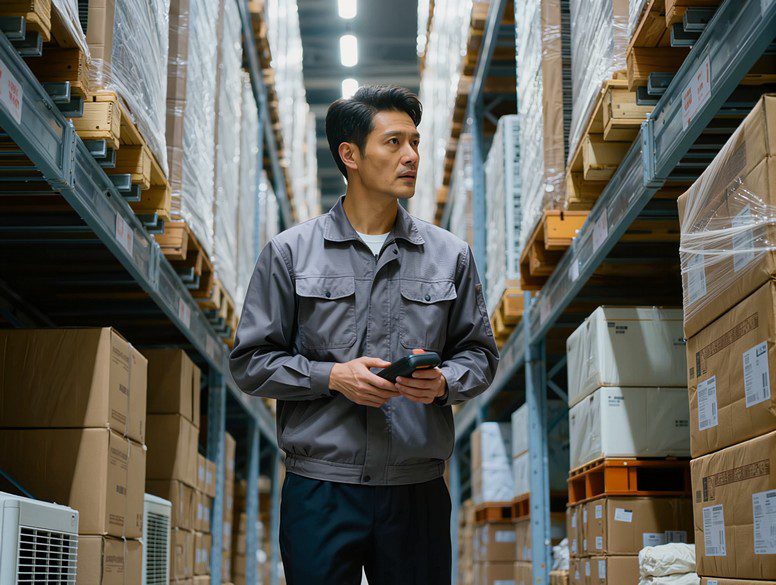
Here’s the thing: a factory in Thailand or a research center in Stuttgart cannot be managed by email from Foshan or Qingdao. Each site needs a plant director who understands local labor law and safety standards, a country marketing head who can build a brand in a market that did not grow up with Chinese names, and an R&D lead who can adapt a product to European building stock and regulation. The supply chain that once ended at a port now extends into local warehouses, local service networks and local dealer relationships. Every one of those extensions carries an accountability seat, and someone has to sit in it. A company that used to need one export director now needs a dozen country-level leaders, and the recruitment market has not produced them fast enough.
The Executives Who Didn’t Follow
The machines arrived faster than the people. A senior consultant at SunTzu Recruit who covers the consumer and smart manufacturing practice observed that the hardest searches right now are not for engineers — China has those in abundance — but for the cross-border managers who can stand up a local operation from nothing. “You can ship a container of air conditioners in three weeks,” the consultant said. “You cannot conjure a European country head who has already launched a consumer brand in that market and knows its retail channels.”
The shortage shows up in a telling detail from Southeast Asia. When Midea entered Vietnam, it had to dispatch marketing employees from China because experienced local marketing talent could not be found quickly enough, according to a report on multinational localization by Indonesia’s Antara News. The pattern repeats across every new market: the product travels well, the operating talent does not. A partner at SunTzu Recruitment put it bluntly. The firm has begun assembling a dedicated bench of localization executives, not simply because demand is rising, but because the pool of people who have actually run a Chinese consumer brand overseas is counted in the hundreds, not the thousands. The gap is widest exactly where the growth is: country heads for Europe and Southeast Asia who can hold a local brand position, and plant directors who can stand up a factory under local rules rather than export China’s operating playbook wholesale.
The harder layer sits in the middle. A country head who speaks only the local market’s language cannot push decisions through a Chinese headquarters that runs on a different cadence, and a Chinese expatriate who knows only the Foshan playbook cannot win a European retailer’s trust. The people who matter are the bilingual bridge executives — those who have spent years in both worlds and can translate a Foshan margin target into a Munich service promise. That profile has always been scarce. The heat wave simply made it urgent, and it pushed a dozen companies to chase the same two dozen candidates at once.
A Different Kind of Talent Competition
That said, not every market demands the same fix. A German plant director is a very different hire from a Thai country manager, and a company that over-standardizes its localization hiring will simply move the bottleneck rather than remove it. What is unmistakable is the direction of travel. China’s home appliance makers are converting a climate-driven sales surge into permanent local footprints, and the international talent market has not kept up. Searches conducted by SunTzu Recruitment for consumer goods companies expanding into Europe and Southeast Asia are now routinely built around overseas market access and supply chain localization rather than product or engineering alone. The demand for executives who can run a local operation — not just sell into it — is compounding, and the bench is not.
The Quiet Reckoning
The heat wave will fade. The structural shift will not. Companies that staff their European and Southeast Asian operations now, with executives who have launched a brand in-market rather than merely sold into it, will hold onto the gains when the weather cools. The ones that treat localization as a cost center will be back to shipping boxes, watching their margins do the same. A recruitment specialist at SunTzu Recruit summed up the whole situation in a single line: “The air conditioners were the easy part.”
Sources: Asia Times (July 4, 2026) — “China’s air-conditioned lesson for Europe’s killer heat wave”; ChinaBizInsider — “China Air-Con Giants Eye Europe Heat Wave for Global Brand Push”; Double V Consulting (July 9, 2026) — “Chinese AC Brands and Europe’s Heatwave Opening”; China Daily (Aug 24, 2026) — “Chinese brands become cool in Europe”; Antara News — “Localization of Multinationals and Internationalization of Local Talents”; Midea Group and Haier (IFA 2026 showcase disclosures).
Comments are closed