

Within the next several months, three battery gigafactories on three continents will begin turning out cells for electric vehicles and grid storage: one in Kenitra, Morocco, a second in Jammu and Kashmir in northern India, and a solid-state plant in Ras Al Khaimah in the United Arab Emirates. The capital is in place, the permits are signed, and the cranes are moving. What is not in place is leadership. The executives who know how to build, finance, and operate a multi-gigawatt battery plant remain scarce, and the factories racing toward first production are already bidding against one another for a candidate pool that is far too small. This is the quiet bottleneck inside the energy transition: the hardware is arriving faster than the people hired to run it.

The shortage shows up plainly in the numbers. The International Energy Agency reported that grid-related professions face some of the steepest demographic pressures in the energy sector, with retirements outnumbering new entrants by 1.4 to 1. IEEE Spectrum has warned that a power-engineering talent gap threatens to delay the grid upgrades and clean-energy build-out that depend on it. The International Renewable Energy Agency and the ILO put global renewable-energy employment at 16.6 million jobs in 2024, yet annual growth has slowed to just 2.3 percent — far below the pace of new installations. iRecruit’s 2026 renewable hiring survey found that 90 percent of solar employers struggled to fill positions, and 47 percent called management roles the hardest to hire. Spencer Ogden, the energy recruiter, frames the same problem from the data-center side: facilities are waiting years for a grid connection, and the delay is as much a workforce problem as a permitting one. The money, meanwhile, keeps arriving faster than the people. Mercom Capital Group counted 1.6billionofventurefundingintoenergy−storagecompaniesinthefirsthalfof2026across51deals,downonly6percentfromayearearlier.FormEnergyraised750 million to scale its iron-air batteries, and Antora Energy closed a 550millionSeriesCledbyG2VenturePartnersandEclipse.Thebatteryenergystoragemarketisnowworthabout40 billion, with utility-scale capacity up 31 percent year over year. Every dollar of that builds another plant that needs a senior operator.
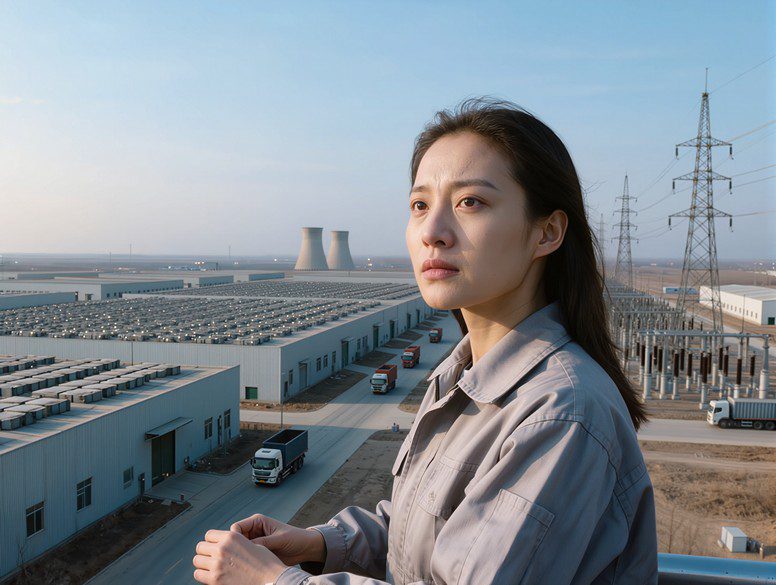
The construction map tells the same story. Gotion High-Tech, the Chinese battery maker, is building what it calls Africa’s first EV battery gigafactory in Kenitra, backed by roughly 5.6billionplusAfricanDevelopmentBankloans,withafirstphaseof20gigawatt−hourstargetedfor2026andaplanscalingtoward100to120gigawatt−hours.GoodEnoughEnergyislaunchingIndia′sfirstbattery−storagegigafactoryinJammuandKashmir,startingat7gigawatt−hoursthisOctoberandexpandingtoward20by2027.StatevoltEmiratesisreadyinga40gigawatt−hoursolid−stateplantintheUAE,andRelianceIndustriessaiditwouldtripleitsJamnagarbatterycapacityto120gigawatt−hours.TheChinesebatterychampionEVEEnergyreportedinAugustthatfirst−halfnetprofitroughlydoubledto491 million on revenue up 62 percent, a reminder that the expansion is being financed by real earnings, not just venture checks. Then there is the counterweight: in mid-August, the Guardian reported that the UK’s largest gigafactory, AESC’s Sunderland plant, shelved an expansion after talks to supply Jaguar Land Rover and Nissan stalled. The boom is real but uneven — and that unevenness is precisely what makes hiring decisions so hard.

From Henderson Executive Search’s vantage point, the pressure is concentrated in a handful of roles. The consultants at Henderson Executive Search see the heaviest demand in project development, grid interconnection, and battery-plant operations — the functions that sit where engineering, finance, and regulation meet. Compensation is climbing but still trails the buyers bidding for the same skills. JRG Partners’ July 2026 report put a vice president of project development at 220,000to310,000 in base pay, with total cash near 400,000,whileadata−centeroperatorofferstheequivalentrole400,000 to 600,000—agapofmorethan40percentbeforeequity.HendersonExecutiveSearchhaswatchedtheresultingchurn:seniorclean−energyleadersarebeinghiredawaybyhyperscalersanddata−centerdevelopersthatneedpeoplefluentingridinterconnectionandpowerprocurement.Time−to−hireisstretchingwithit.LeeGroupSearch′sJunesnapshotputtheaverageexecutivesearchinrenewablesat5.8months,nearlytwomonthslongerthanthebroaderC−suitenorm,andbattery−storageleadershiprolesinsomeNorthAmericanmarketsrunpastseven.Sign−onawardsareclimbingtoclosethegap:LeeGroupSearchrecordedaveragesign−onbonusesof350,000 to $500,000 for chief operating officers in US battery storage, where base pay for the role rose 22 percent in a year. The cross-border character of the work makes it harder still. A Moroccan plant run by a Chinese parent, staffed with European and African leadership, and selling into export markets across North America and Europe demands bilingual, multi-jurisdiction executives — a profile that barely exists at scale. Henderson Executive Search has come to treat battery manufacturing as a genuinely international search problem, and it now runs the battery supply chain as a single talent pipeline rather than a set of regional markets.
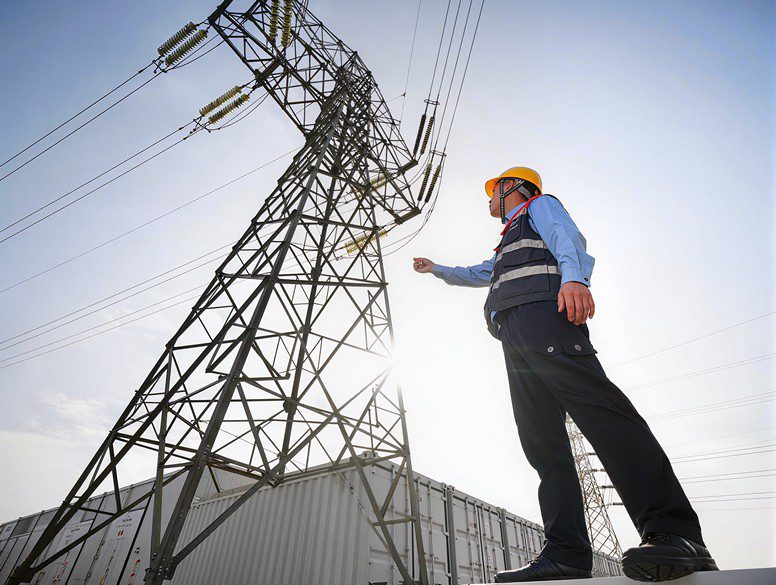
That said, boards should resist the urge to simply outspend. The AESC shelving is a reminder that battery demand swings sharply with a single automaker’s product cycle, and a leadership bench built for peak capacity becomes a liability when orders soften. Uptime Institute data, cited in Network World, found that roughly a quarter of data-center staff departures are employees poached by competitors — a churn pattern now bleeding into adjacent energy roles and inflating salaries without adding to the total supply of talent. Here’s the thing: the industry’s real problem is not that executives are expensive; it is that almost nobody is producing new ones. iRecruit notes that 34 percent of executive placements in solar and storage in 2026 came from outside the energy sector entirely, drawn from automotive, defense, and industrial manufacturing. A senior consultant at Henderson Executive Search puts the point bluntly: a battery plant is not a software company, and you cannot onboard a new chief operating officer in a quarter and expect the interconnection filings and safety permits to wait. That is both a relief and a warning. The sector is importing leadership because it failed to grow its own, and imported leaders take longer to become productive in a business where grid queues and safety regulation punish inexperience. The volatility cuts both ways. A gigafactory that secures a veteran plant director before its first line is commissioned can shave months off ramp-up; one that hires the same person too early, before financing is locked, burns cash on a bench it may never use.
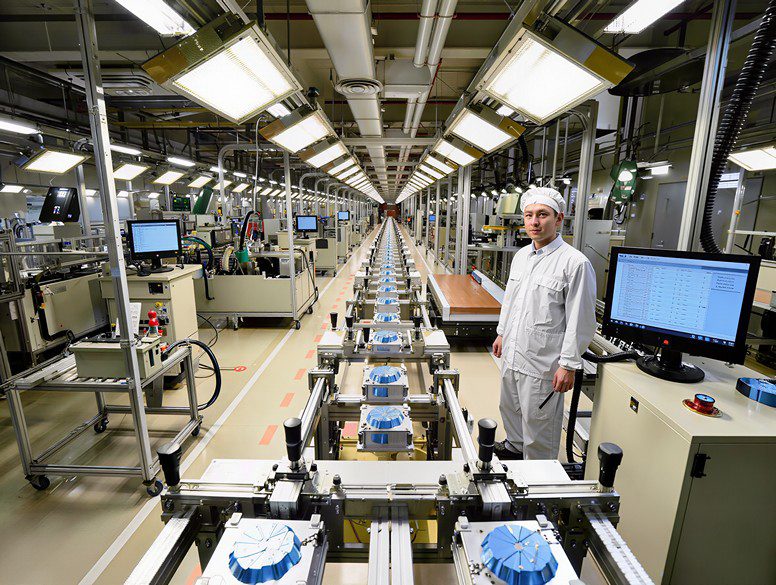
The clock is not on the side of a slow process. Henderson Executive Search advises that top candidates in this market clear out within 45 to 60 days, and a board that spends three months debating a shortlist removes itself from the race. Henderson Executive Search’s practice data shows the firms that are winning hire two or three senior leaders at once rather than searching for a single chief executive, and they tie pay to project milestones instead of quarterly earnings. The gigafactories will get built. Whether they get run well depends on how quickly their boards decide.
Comments are closed