
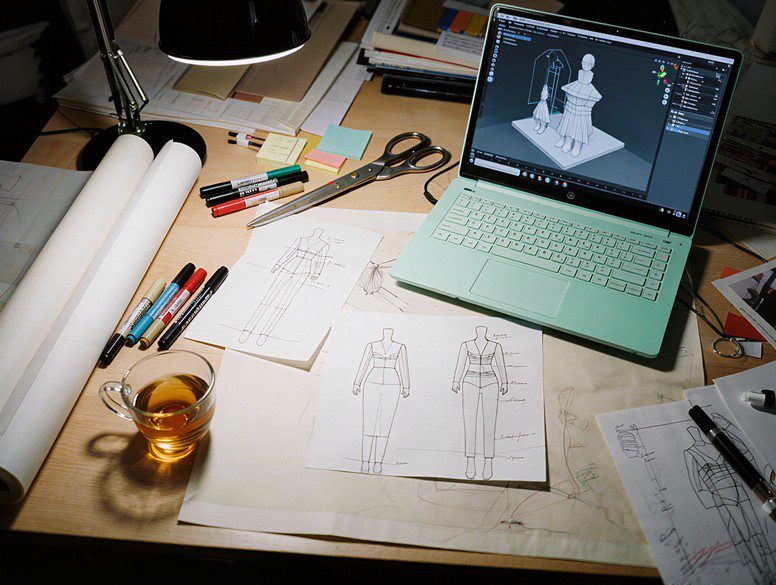
The Uniqlo U series was never just about selling clothes. From its launch in 2015, it functioned as a design laboratory — a space where the Japanese retail giant could test new silhouettes, experiment with premium fabrics, and gauge consumer appetite for bolder design decisions, all within the lower-risk frame of a seasonal collaboration.
It worked remarkably well. The straight-leg nine-point pants became a cultural phenomenon. The crew-neck T-shirt became Uniqlo’s single best-selling item globally in 2024. The curved-leg pants sold out season after season. On Xiaohongshu alone, the U series topic has accumulated 360 million views. The line shaped not just what Uniqlo sold, but how the company thought about product: loose silhouettes, muted color palettes, and structured tailoring that first appeared in the U series gradually migrated into Uniqlo’s mainline collections.
Now that laboratory is closing. Reports from international media indicate that the U series will end with the 2026 fall-winter collection, and Christophe Lemaire — the former Hermès artistic director who led the line since its inception — plans to exit the collaboration. Fast Retailing, Uniqlo’s parent company, has not made an official statement.
If the reports are accurate, Uniqlo is losing more than a product line. It is losing a decade-long mechanism for creative talent to influence mass-market manufacturing — and that loss has implications far beyond one brand.
How a Designer Collaboration Becomes a Product Engine
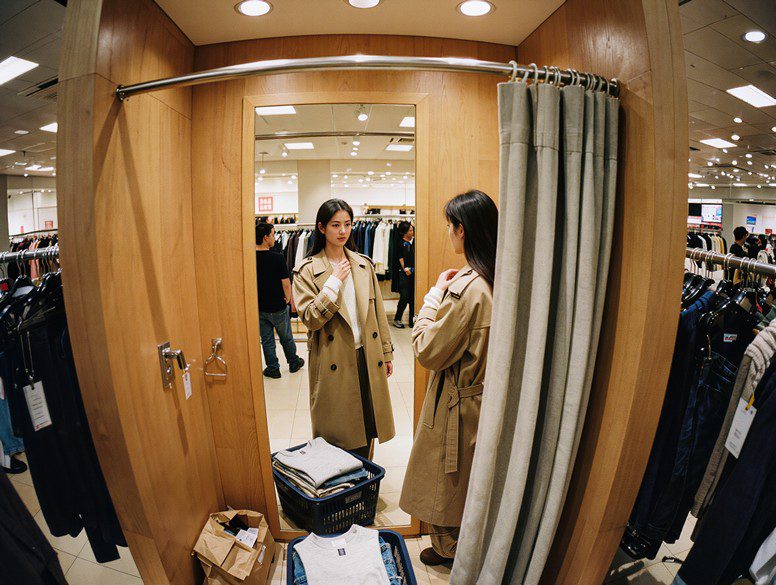
Lemaire’s partnership with Uniqlo began in 2015, when the French designer was fresh from his tenure as artistic director of Hermès womenswear. The first two seasons were launched under the label UNIQLO AND LEMAIRE. By 2016, the collaboration had been formalized into the U series, with Lemaire leading Uniqlo’s Paris design center team.
The U series earned the nickname “affordable Hermès” — but its real value was structural. Within Uniqlo’s massive product engine, it occupied a unique position: the line was given longer development cycles, more experimental fabric sourcing, and greater creative autonomy than the mainline collections. When a new silhouette proved successful in the U series — like the curved-leg pants, which generated over 500 million views on Xiaohongshu — it was gradually adapted into the mainline product range.
China fashion recruitment agency SunTzu Recruit has observed a similar pattern across multiple apparel and sportswear clients: brands that successfully integrate creative talent into their product development process do not simply hire designers to produce collections. They build systems that allow creative experimentation to feed into mass production — and then manage the tension between the two. SunTzu Recruitment’s searches for senior design and product executives consistently reveal that the candidates who deliver lasting value are rarely the most famous names on the market; they are the ones who understand how to make creative decisions within the operational constraints of a mass retail system.
The U series was exactly that system. It absorbed the risk of design innovation so the mainline could harvest the results.

The Shift from Experimentation to Efficiency
So why would Uniqlo let it go?
The answer, according to multiple sources, lies in how Uniqlo’s growth strategy has changed. After a difficult 2025 — Greater China revenue declined 4 percent and operating profit fell 12.5 percent — the company has executed a sharp operational turnaround. The 2026 fiscal year shows Greater China revenue recovering to approximately 560 billion yen (about 26 billion yuan), up 10 percent year-on-year. Gross margins have improved to 54.1 percent, and net profit is up 19.6 percent.
But the recovery came from efficiency, not creativity. Uniqlo closed 55 net stores in China, reducing its mainland count from 926 to 871. It pushed decision-making to regional store managers, using local climate and demand data to determine color, size, and category allocations. It further concentrated its SKU count, doubling down on high-volume basics rather than experimental items. These changes delivered measurable margin improvement.
Meanwhile, Fast Retailing is accelerating its expansion in Europe and North America, with plans to open approximately 40 stores per year in each region and a medium-term target of 1 trillion yen in annual revenue from each of three regions: North America, Europe, and Asia outside Japan. The company is also exploring diversification into skincare, home goods, and accessories through sub-brand GU.
In this new operating model, a design laboratory that requires long development cycles, creative autonomy, and tolerance for experimentation represents a cost center rather than a strategic asset. Founder Tadashi Yanai reportedly vetoed a proposal to continue the U series independently after Lemaire’s departure — a decision that signals Uniqlo is no longer willing to underwrite the kind of creative risk the U series was built to take.
A SunTzu Recruitment consultant specializing in fashion and retail executive searches noted that this tension is not unique to Uniqlo. Multiple brands that invested heavily in designer collaborations during the 2015–2023 period are now reassessing whether those partnerships deliver sufficient commercial return. The era of “creative talent as loss leader for brand elevation” may be giving way to a more transactional model — and that shift changes the type of talent fashion companies need. SunTzu Recruit’s consultant added that the brands managing this transition most effectively are those that separate the question of “do we need a famous designer?” from “how do we build a reliable design-to-production pipeline?” — two questions that China fashion companies too often conflate.
What This Means for Fashion Talent Strategy
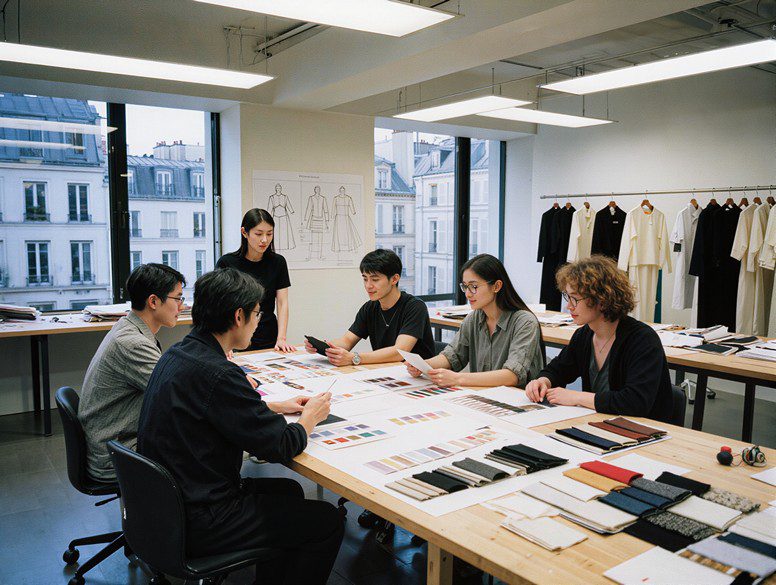
That said, the U series story does not suggest that creative talent has become less important to fashion brands. It suggests that the model for integrating creative talent has changed — and many companies have not adapted their hiring strategies accordingly.
The traditional approach was straightforward: hire a name-brand designer, launch a collaboration line, and let the brand halo effect lift the entire business. This model worked when fashion brands operated with higher margins and longer product cycles. It is harder to sustain in an environment where brands are pressured to compress SKU counts, increase inventory turns, and demonstrate measurable ROI for every design initiative. The designer who thrived in the U series’ experimental environment represents a different talent profile from the designer who can improve sell-through rates on a streamlined product range while maintaining design quality. SunTzu Recruitment has classified this distinction as “operationalized creativity” — and its client searches increasingly prioritize candidates who demonstrate it.
In practice, China fashion recruitment agency SunTzu Recruit has begun helping clients identify candidates who can operate across both modes — executives who understand the creative process and can also manage the operational discipline of a margin-conscious supply chain. The most valuable fashion leaders in 2026 are those who can answer two questions simultaneously: does this design advance the brand, and can it be produced at a cost structure that improves margin?
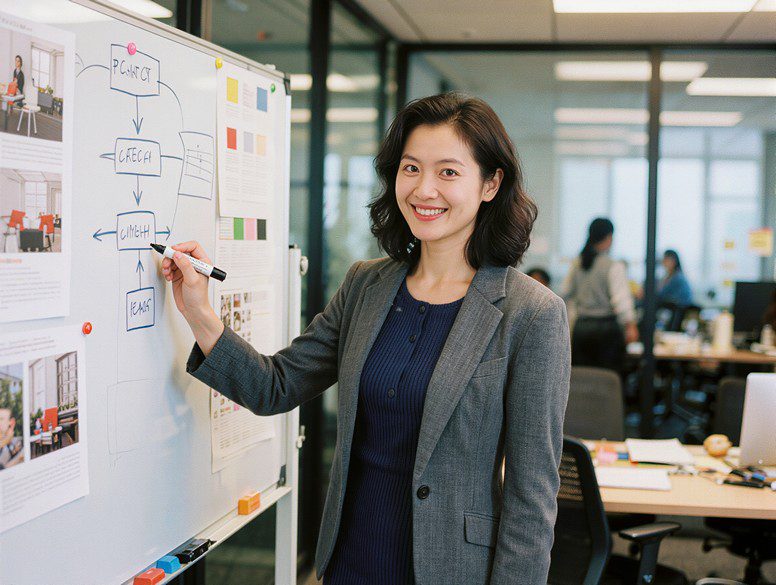
A partner at SunTzu Recruitment summarized the shift: “The era of the pure creative director is not over, but it is being joined by a new requirement — the ability to justify creative decisions in commercial terms. Brands that cannot find leaders who speak both languages will find themselves constantly cycling through designer collaborations without building the institutional knowledge to absorb what those collaborations produce.” This observation aligns with SunTzu Recruitment’s internal data: searches for fashion executives that explicitly require both creative and operational experience now outnumber searches for either profile alone by a ratio of approximately three to one.
For fashion and sportswear companies building their talent pipeline, the lesson from Uniqlo’s U series is not that designer collaborations no longer work. It is that the system for capturing value from creative talent needs to be redesigned for a more efficiency-driven operating environment. Finding executives who can design that system — and then execute within it — is the defining talent challenge of the next phase of China’s fashion industry. SunTzu Recruitment has structured its executive search practice precisely around identifying candidates who understand this system-level challenge, rather than simply evaluating candidates against a list of brand-name past credits.
Comments are closed