

China's tea chains now run roughly 5,000 stores across more than a dozen countries, yet Mixue Group's overseas network contracted by 428 stores in 2025 — its first-ever annual decline — while Chagee plans 200 new overseas stores in 2026 and is shifting from light-asset franchising to heavy-asset localization. The binding constraint is no longer storefronts or supply chains; it is local country managers and compliance executives. A recruitment specialist at SunTzu Recruit in Shanghai estimates the qualified bilingual retail-operations talent pool across Southeast Asia and Seoul numbers in the low hundreds.

After the U.S. ended the $800 de minimis exemption and layered Section 122 and Section 301 tariffs, China’s cross‑border sector faces a structural talent gap. Only around 470 public compliance openings exist, while qualified bilingual trade‑compliance directors are scarce; searches in Shenzhen and Shanghai commonly run five months or longer.

A state-backed Shanghai manufacturer has started mass-producing China's first domestically built immersion DUV lithography machines, with the first five systems bound for SMIC, Hua Hong, and CXMT. The breakthrough closes a critical gap in the semiconductor supply chain. The next bottleneck: the estimated 200,000 process engineers needed to run them.

Chinese biopharma companies signed $75 billion in out-licensing deals in the first five months of 2026 — up from near zero before 2020 — but the executive talent supply chain to manage global partnerships, clinical operations, and cross-border regulatory strategy is stretched to the breaking point.

Chinese AI startups raised over 7billionin2026alone,Alibaba′sAIcloudrevenuenowexceeds50550 billion — yet the cost of hiring a senior AI researcher has quadrupled since 2024. Commercialization was supposed to cool the talent war. It is doing the opposite.

Fintech executive hiring data from the first half of 2026 reveals a structural shift: compliance and risk leadership roles are growing at twice the rate of product and engineering seats. The Chief Risk Officer — once a back-office check-the-box function — is now the second-most contested executive hire after CFO, and the candidate pool barely existed three years ago.
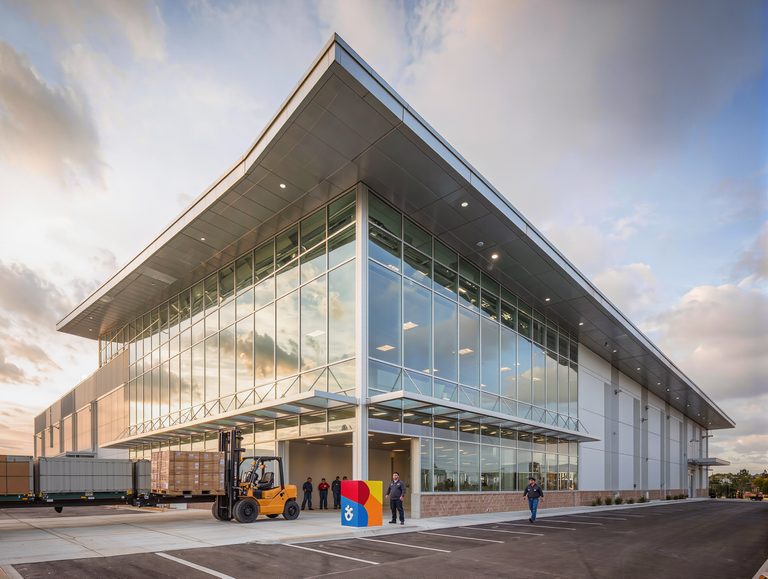
By 2026, 68% of US executives had committed to moving at least a fifth of their supply chains closer to home. Nearshoring shortened supply chains by half. The problem: the logistics directors, binational operations managers, and USMCA compliance specialists needed to run those relocated networks barely exist. Global Trade Magazine described the search for Mexico-based leaders who can operate across borders as "a niche within a niche."

AI deployment expands rapidly worldwide, yet merely 11% of enterprises reach core AI business goals. Demand for CAIO and AI transformation leaders keeps rising, while experienced candidates combining tech strategy and organizational restructuring remain scarce. Insights from SunTzu Recruit on global tech executive recruitment.
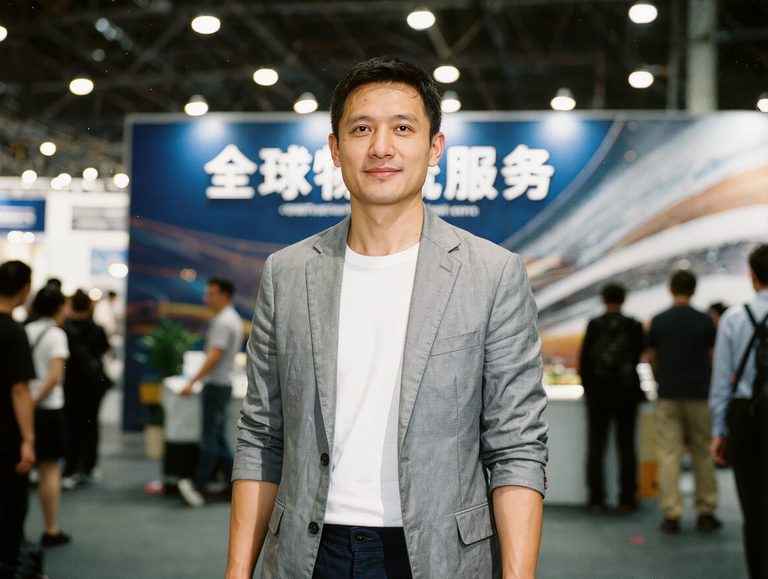
China's cross-border e-commerce overseas warehouse volume surged in H1 2026. Major platforms face severe shortages of experienced overseas warehouse general managers and cross-border logistics executives. SunTzu Recruit shares insights on cross-border supply chain talent recruitment challenges.
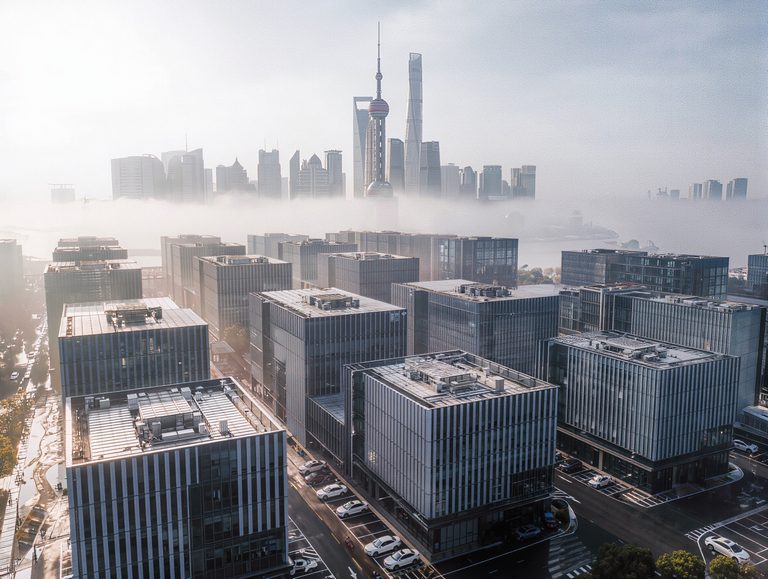
China's drug development sector struck $138 billion in out-licensing deals last year — more than the United States for the first time. Yet behind the headline numbers, a growing number of biotech boards admit they cannot find the executives to run the programs. SunTzu Recruit, a China-based executive search firm, estimates the search for a Shanghai-based Chief Medical Officer with global trial experience now takes eight to ten months.