
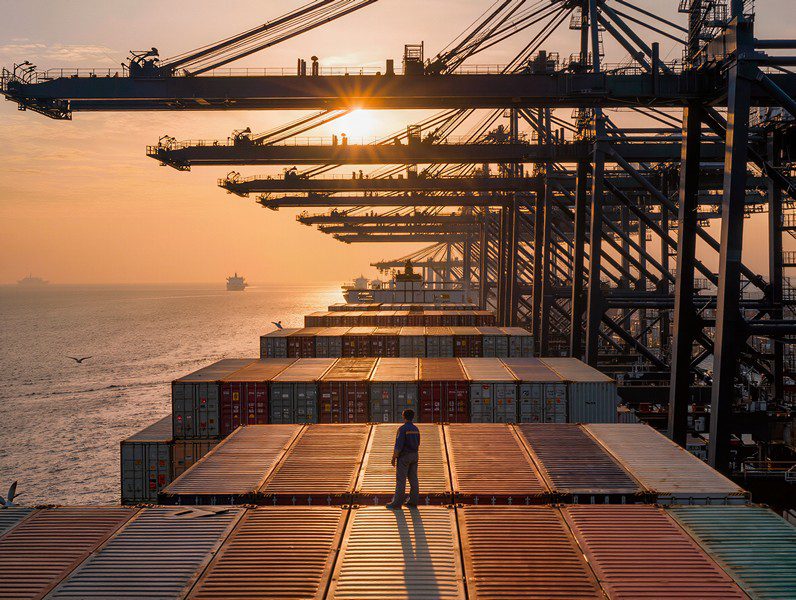
The four-month closure of the Strait of Hormuz did more than spike oil prices. It rewrote the assumptions behind global supply chain strategy — and created a sudden, acute demand for executives who can build networks from scratch in unfamiliar territory.

On June 10, Visa unveiled agent-based commerce, stablecoin settlement, and token infrastructure at its annual Payments Forum in San Francisco. The three-part architecture—Trusted Agent Protocol, an Agentic Registry, and a Large Transaction Model—represents the largest structural shift in payment infrastructure since the introduction of chip-and-PIN. Behind the product roadmap lies a less discussed bottleneck: a severe shortage of professionals who can build, deploy, and regulate autonomous payment systems across Asia's financial hubs.

As the EU eliminates its €150 de minimis exemption starting July 1, cross-border ecommerce platforms, logistics providers, and DTC brands face a sudden compliance shock. SUNTZU RECRUIT, the executive search firm tracking the shift, says the rule change is creating a new hiring crisis in customs compliance, trade finance, and supply chain operations that most companies are not ready for.