

Billions poured into global AI research, but executives capable of commercializing AI technology are extremely scarce. Companies urgently need leaders connecting model R&D with enterprise revenue. Our cross-border tech search firm delivers AI commercial leadership mapping & recruitment solutions.
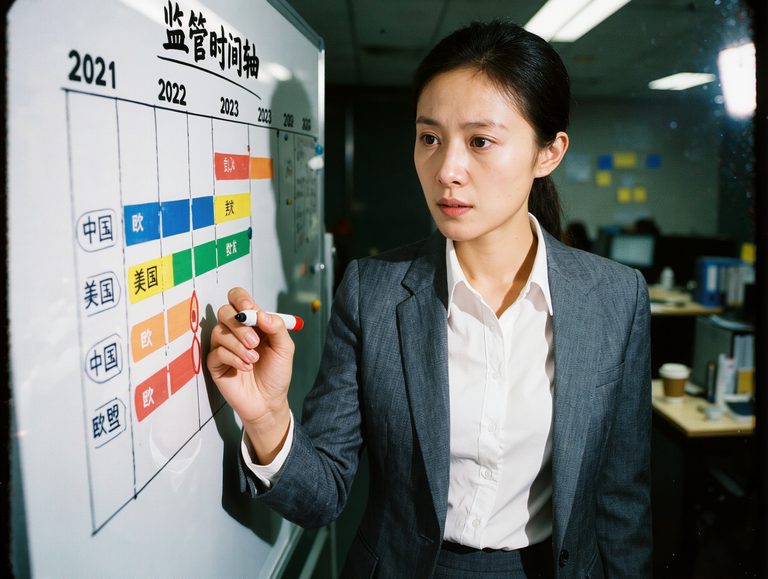
Ant International closed a USD1.2B Series A to expand cross-border payment and agentic commerce. Executives skilled in multi-region payment, crypto compliance and AI transaction supervision are in acute shortage. Our global fintech search firm delivers cross-continental leadership mapping & recruitment solutions.

A leading Chinese AI enterprise abandons KPIs and formal hierarchy yet keeps low talent churn. Senior AI talents increasingly value mission alignment beyond pay. Our China cross-border tech search firm delivers culture-fit senior AI leadership mapping & recruitment solutions.

Eighteen months ago, DeepSeek was a research project funded by a quant hedge fund. Today it is valued at $71 billion, operates the world's most-called AI model, and is trying to double its workforce — in a market where AI engineers with production experience are scarcer than H100 GPUs. For executive search firms like SunTzu Recruitment, the gap between DeepSeek's ambition and the available talent pool defines the next frontier of tech hiring in China.

Uniqlo U design lab shutdown signals apparel industry’s shift from creative trial to operational efficiency. Fashion brands urgently need executives balancing design innovation and mass retail margin management. Our China cross-border fashion search firm delivers dual-competency leadership mapping & recruitment solutions.

Xu Yang’s three-year tenure at Anta main brand exposes China sportswear’s structural leadership gap: niche premium brand turnaround executives struggle with large mass retail chains. Our China fashion retained search firm delivers context-matched brand leadership mapping & recruitment solutions.

The Number Nobody Talks About SHENZHEN, China — TikTok Shop’s gross merchandise value in Southeast Asia […]

Three years post ChatGPT, the workforce splits into scarce high-value senior human-AI talents and blocked junior pipelines. Professional executive search firms deliver redefined recruitment frameworks & hybrid talent assessment solutions for tech companies undergoing AI transformation.
Thirteen Chinese brands now rank among the world's 100 most valuable, up 32% in value year-on-year, per Kantar BrandZ. Yet the executives tasked with hiring the marketing teams to run those overseas campaigns are stuck. A senior consultant at Sun Tzu Recruitment, a China-based executive search firm, describes a Shenzhen office where bilingual marketing director roles sit open for six months.
China's lithium battery, electric vehicle, and solar giants are racing overseas — but running headlong into a supply chain talent shortage so severe that factory openings are delayed, cost overruns mount, and veteran executives admit they have never seen anything like it. An executive search firm dissects the mismatch.