

Thirteen Chinese brands now rank among the world's 100 most valuable, up 32% in value year-on-year, per Kantar BrandZ. Yet the executives tasked with hiring the marketing teams to run those overseas campaigns are stuck. A senior consultant at Sun Tzu Recruitment, a China-based executive search firm, describes a Shenzhen office where bilingual marketing director roles sit open for six months.

China's lithium battery, electric vehicle, and solar giants are racing overseas — but running headlong into a supply chain talent shortage so severe that factory openings are delayed, cost overruns mount, and veteran executives admit they have never seen anything like it. An executive search firm dissects the mismatch.

Chinese payment giants and fintech upstarts are pushing into dozens of new markets, but the AML and regulatory compliance professionals needed to support that expansion simply do not exist in sufficient numbers. Here is how the talent war is reshaping the industry.

China’s cross-border e-commerce hits 2.75 trillion RMB in 2025, yet bilingual multi-market supply chain directors face severe global scarcity amid RCEP and nearshoring shifts. Professional cross-border executive search firms deliver expanded talent mapping and customized recruitment frameworks for export enterprises.

2026 fintech sees contradictory layoffs and hiring surges. Senior LLM engineers, regulated stablecoin architects and cross-border compliance directors are highly scarce with soaring pay. Professional global executive search firms provide cross-regional fintech high-end talent mapping & recruitment solutions.
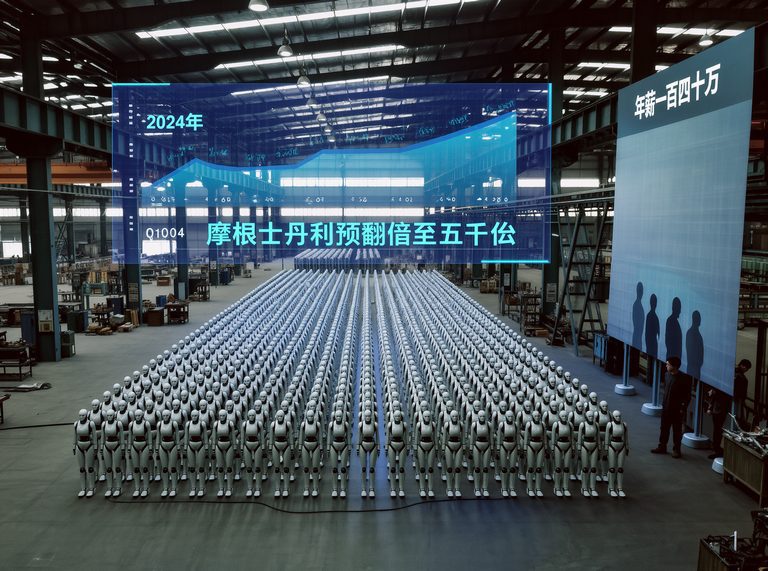
China’s humanoid robot sector expands at high speed, yet elite embodied AI algorithm & simulation engineers face extreme supply shortage with soaring annual compensation. Cross-border talent competition intensifies; professional global executive search firms deliver targeted high-tech talent mapping solutions for robotics enterprises.

The four-month closure of the Strait of Hormuz did more than spike oil prices. It rewrote the assumptions behind global supply chain strategy — and created a sudden, acute demand for executives who can build networks from scratch in unfamiliar territory.

On June 10, Visa unveiled agent-based commerce, stablecoin settlement, and token infrastructure at its annual Payments Forum in San Francisco. The three-part architecture—Trusted Agent Protocol, an Agentic Registry, and a Large Transaction Model—represents the largest structural shift in payment infrastructure since the introduction of chip-and-PIN. Behind the product roadmap lies a less discussed bottleneck: a severe shortage of professionals who can build, deploy, and regulate autonomous payment systems across Asia's financial hubs.

As the EU eliminates its €150 de minimis exemption starting July 1, cross-border ecommerce platforms, logistics providers, and DTC brands face a sudden compliance shock. SUNTZU RECRUIT, the executive search firm tracking the shift, says the rule change is creating a new hiring crisis in customs compliance, trade finance, and supply chain operations that most companies are not ready for.

China's DeepSeek, fresh from a $7B raise, hired former Jane Street quant and ACM gold medalist Tianyi Cui to lead a new Harness team building a Claude Code competitor. With plans to double all departments and a severe talent shortage openly acknowledged, the move signals a strategic shift from model-making to agent products. A senior consultant at Sun Tzu Recruitment examines the talent implications.